🔒 On Public Death and Public Justice
VALE
It’s shaping up to be one of those years. You know what I mean. The last big one was 2016. The news reported Bowie’s death on January 10, and Alan Rickman a few days later, and then it was like a cascade—Harper Lee, then Prince, then Muhammad Ali, then Gene Wilder, then Leonard Cohen, then George Michael, then Carrie Fisher. Someone running those names on a real-stakes dead pool game that year would either break the bank or be hanged as a witch.
Donald Trump’s election win is the most remembered reason why 2016 feels like the end of something and the beginning of something else, a new calendar era, but for the birth of the Devil this time—Anno Diaboli. This unlikely run of celebrity deaths, though, really set the tone. Something old and wholesome was being purged from the world as something new and awful slouched toward Washington to be born.
Every single year brings with it, I’m going to say, around six to ten really major celebrity deaths, give or take. I haven’t looked into it very seriously and the definition of “really major” will be as open to interpretation as the word “celebrity,” but that’s the number that vibes with me. Some years’ leaderboards feel different in a way that’s difficult to describe.
Last year’s list of departures included Robert Redford, Diane Keaton, Val Kilmer, Ozzy Osbourne, and Gene Hackman, and those names will all elicit varying degrees of reminiscent grief.
David Lynch, who perished in January, might have been the most devastating loss among pop culture fans, not just for his immense impact but for the disappointing and demoralizing circumstances of his death: Lynch, a chain-smoker from the age of eight, had developed emphysema so severe that he couldn’t leave his home. His dedication to art was so strong that he achieved the Herculean task of quitting an almost 70 year-long tobacco habit, and regaining a level of mobility such that he was able to go back to work on his projects. Then Los Angeles caught fire and turned the air to poison, and just like that he was gone. Like a turkey in the corn.
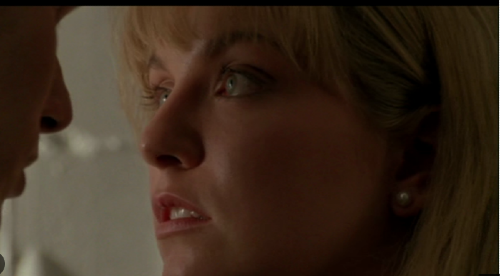
His death was bookended by that of director Rob Reiner in December—beloved also, though perhaps by a different flavor of cinephile, and marked by equally pointless circumstances. It affected me enough to dedicate that week’s column to defending what’s usually considered his worst movie.
All of these people are just people and they were complex, and we don’t know them outside of a parasocial context, and we might not have even gotten along with them in person, but some celebrity deaths just really do hit differently. And they will hit differently for different people for reasons that not everyone will be able to explain even to themselves. For example, I really liked Donald Sutherland, and was more saddened by his death than that of, say, Christopher Plummer, which barely moved me at all. I can’t say why. They were both perfectly fine people and artists. Just the specific movies I grew up enjoying, I suppose.
Every other year will bring the death of at least one mensch. Someone that the world just feels worse off without them in it. Someone everybody liked, if not loved. A Carrie Fisher. In the last week of August 2026 there were two, one day after the other, like a double-tap to the soul.
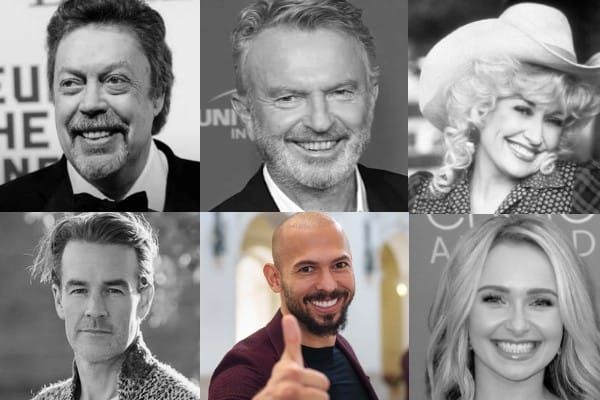
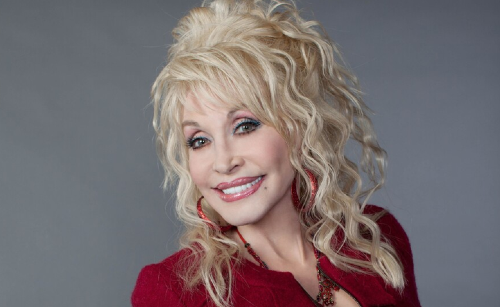
Many people loved either Dolly Parton or Tim Curry or both of them on a level that their death felt personally devastating. You could be a fan of Parton without even knowing her music, without even liking it. Her entire life was a performance, but it was not a performance of egotism or self-aggrandizement. It was one of immeasurable generosity and empathy. Her power to bewitch was so strong that Donald Trump ordered the flag at half-mast for her, and he wouldn’t ordinarily do that for anyone who hasn’t personally shot at least one immigrant, let alone a prominent activist for liberal causes.
For free subscribers, this is a preview. Free subscribers get access to this article on Friday 4-September